
There are a number of sushi omakase experiences in Miami, yet many fail to deliver the level of excitement one hopes for. At its best, omakase is far more than a meal. The essence of the experience lies in the intimate interaction with the chef and the trust placed in their judgment. Each dish is a carefully curated surprise, revealing unexpected flavours and creating a deeply personal culinary journey.
While the quality of the fish is paramount, a great omakase experience also depends on the atmosphere of the restaurant, the thoughtful presentation of each course, the dialogue between chef and guest, and the level of hospitality throughout the evening. Too often in Miami, establishments fall short in one or more of these areas. In some cases the price point can also be excessive without delivering the refinement or authenticity one expects.
A proper omakase should feel like a journey through the finest seasonal ingredients, prepared with precision and respect for tradition, all chosen at the chef’s discretion. For many American and Canadian diners, it represents an opportunity to experience authentic Japanese cuisine beyond the familiar sushi roll.
In January 2025, Yasu opened its doors at 151 Northeast 41st Street in Miami’s Design District, in Paradise Plaza, directly across from Le Jardinier, in a space that once housed an ice cream shop. Operated by Spice Hospitality Group, the restaurant is led by Chef Yasu Tanaka, working alongside Chef Raymond Li.
Chef Tanaka previously worked at Ginza Iwa in Tokyo and Sushi Azabu in New York before becoming head sushi chef at Den Azabu in Miami. Chef Raymond Li’s background includes the Ritz Carlton, Zuma, The Matador Room by Jean Georges, Benu in San Francisco, and Joël Robuchon in Paris.
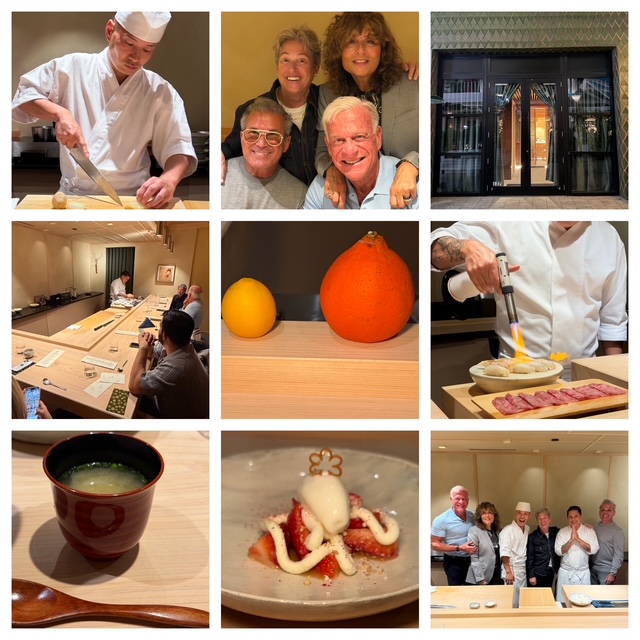
Yasu feels almost like a hidden den. The entrance is dark and discreet, leading to an intimate eight-seat omakase counter crafted from a 600-year-old Japanese hinoki tree, a wood traditionally used in temples and shrines. The room blends Japanese craftsmanship with Nordic minimalism. Nearly every element of the space, from the woodwork and chairs to the ceramics and tableware, has been crafted by Japanese artisans.
The fourteen-sixteen course tasting menu is priced at $250 per person before alcohol. While that may initially sound high, several omakase restaurants in Miami charge significantly more while delivering a far less refined experience. There are two seatings each evening, at 6:00 pm and 8:30 pm, and the pacing is calm and unhurried. The meal unfolds in a tranquil rhythm that allows guests to fully enjoy the progression of courses.
The cuisine focuses on seasonal ingredients, many flown in directly from Japan, complemented by select products from local farmers and fishermen. There are no theatrics or gimmicks here, only careful technique and thoughtful restraint. The menu changes frequently, so the dishes I experienced may differ from those served on another evening.
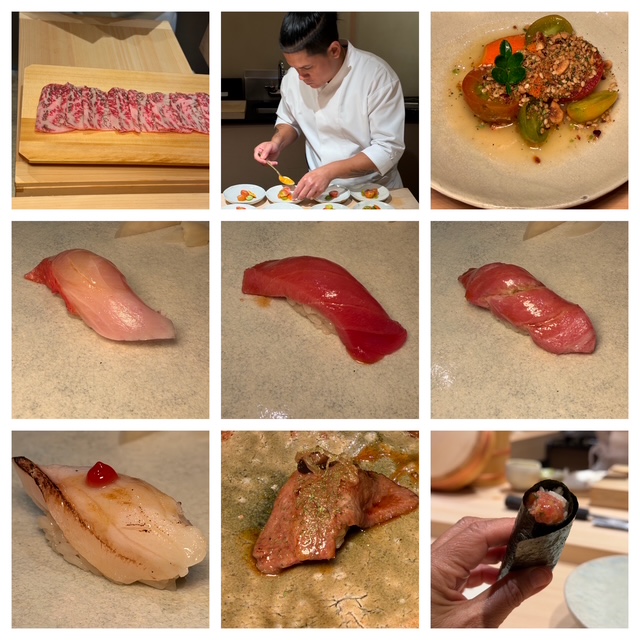
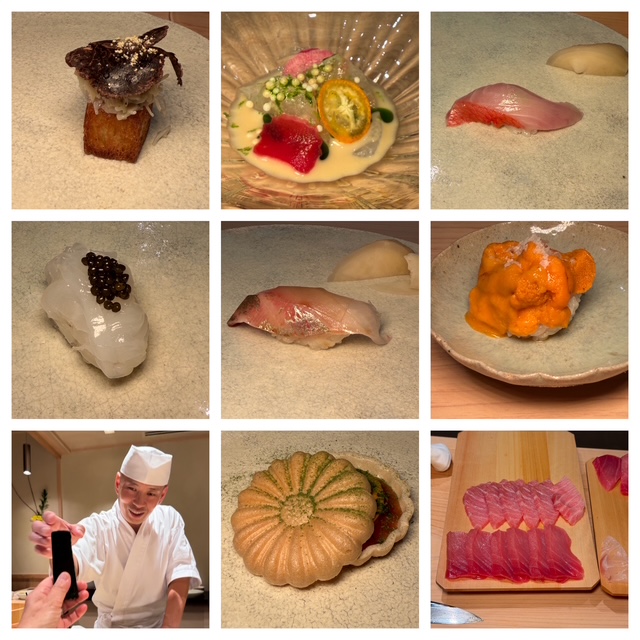
Our meal began with a delightful first bite of Florida stone crab on a miniature brioche, finished with shaved black truffle. This was followed by a series of crudo, nigiri, and hand rolls showcasing fish that was pristine and glistening.
One memorable course was the restaurant’s playful “Monaka PB&J,” a delicate flower-shaped wafer filled with fish liver, guava-bourbon marmalade, and fresh local mint. It was visually striking and melted effortlessly on the palate.
A refreshing salad of local heirloom tomatoes and mandarinquats dressed in ginger and yuzu provided a bright interlude before the meal continued with additional nigiri and hand rolls, including a luxurious A5 wagyu nigiri.
Dessert was a layered composition of yuzu whipped mascarpone, crunchy white chocolate, miso caramel, hibiscus, local strawberries, Greek yogurt, and sesame.
The fish throughout the evening was exceptionally fresh, its texture firm, colours vibrant, and flavours clean and expressive. Equally important was the rice, often the overlooked foundation of great sushi. Here it was excellent, seasoned properly, served at the correct temperature, and perfectly balanced with the fish. Chef Tanaka even uses two different rice preparations, one suited for more delicate fish and another for richer varieties.
Presentation is clean and understated, allowing the fish to remain the focus. Each piece is dressed by the chef before it reaches the guest, eliminating the need for soy sauce and preserving the intended balance of flavours.
The beverage program includes a thoughtful selection of sake, with several rare and limited bottles available for pairing or by the glass. A concise wine list has also been curated to complement the cuisine.
The evening was thoroughly enjoyable. Nothing felt excessive, yet nothing was lacking. The experience delivered refined, thoughtful cooking and several memorable bites. Given the level of craftsmanship and attention to detail, I would not be surprised if a Michelin star finds its way here in the future.
Recommended.
Happy dining,
Shanea
03/15/2026